In short
The Ordinary Niacinamide 10% + Zinc 1% is a 30ml water-based serum for oily, congestion-prone skin. It pairs niacinamide (vitamin B3) with zinc PCA to help with visible shine, the look of pores and leftover acne marks. The best-known niacinamide trials used 2% or 5%, so the higher 10% isn't shown to work better — start once a day if it tingles, and keep it in a separate routine from vitamin C, as the brand advises.
বাংলায়দ্য অর্ডিনারি নিয়াসিনামাইড ১০% + জিংক ১% হলো ৩০ মিলির পানিভিত্তিক সিরাম, তৈলাক্ত ও লোমকূপ বন্ধ হওয়ার প্রবণতা আছে এমন ত্বকের জন্য। নিয়াসিনামাইড (ভিটামিন বি৩) আর জিংক পিসিএ মিলে মুখের তেলতেলে ভাব, লোমকূপের চেহারা ও ব্রণের দাগে সাহায্য করে। পরিচিত গবেষণাগুলো ২% বা ৫% নিয়াসিনামাইড নিয়ে, তাই ১০% বেশি কাজ করে এমন প্রমাণ নেই — জ্বালা করলে দিনে একবার দিয়ে শুরু করুন, আর ব্র্যান্ডের পরামর্শমতো ভিটামিন সি আলাদা রুটিনে রাখুন।
Chapters · 7
What it is, and what's in the bottle
Niacinamide 10% + Zinc 1% is one of The Ordinary's single-purpose serums: a thin, water-based liquid built around two ingredients. Niacinamide is a form of vitamin B3; zinc PCA is zinc bound to PCA, a molecule the skin already uses to hold water. The brand lists it for visible shine, signs of congestion, dullness and uneven texture, and says it suits all skin types (official product page).
The full ingredient list printed by the brand is short: Aqua (Water), Niacinamide, Pentylene Glycol, Zinc PCA, Dimethyl Isosorbide, Tamarindus Indica Seed Gum, Xanthan Gum, Isoceteth-20, Ethoxydiglycol, Phenoxyethanol, Chlorphenesin. There is no added fragrance or essential oil in that list, which matters if your skin reacts to perfume. The tamarind seed gum and xanthan gum give the serum its slightly slippery, gel-like feel.
| Detail | What the brand says |
|---|---|
| Format | Water-based serum |
| Key ingredients | Niacinamide 10%, Zinc PCA 1% |
| pH | 5.00–6.50 |
| Free from | Alcohol, oil and silicone (brand's own labels) |
| Sizes the brand sells | 30ml and 60ml (we stock 30ml) |
| Targets | Congestion, dryness, dullness, uneven texture, visible shine |
Who it suits, and who should start slowly
- Oily and combination skin that looks shiny by midday — a common complaint in Bangladesh's humid months.
- Clogged-looking pores on the nose, chin and forehead. Niacinamide won't shrink pores, but less surface oil makes them look smaller.
- Brown marks left by old breakouts (post-inflammatory hyperpigmentation), alongside daily sunscreen.
- A first serum on a budget. It is a simple formula that slots into almost any routine.
- Sensitive or easily flushed skin: start every other day. Some people feel tingling or see redness from a 10% formula, and the brand itself advises a patch test.
It is not a treatment for painful, deep or cystic acne. Those need a dermatologist, often with prescription treatment — a serum will not replace that. Read more about oily skin and dark spots if you are not sure which problem you are treating.
What the research on niacinamide says
Oil. Two placebo-controlled trials tested a 2% niacinamide moisturiser. In 100 Japanese adults, the niacinamide group made significantly less sebum after two and four weeks than the placebo group. In a six-week split-face trial with 30 white adults, the amount of oil sitting on the skin fell, though the rate the skin produced it did not change significantly (Draelos et al., 2006). In short: a modest, real effect on shine, which can vary between people.
Dark marks. In laboratory skin models, niacinamide did not block tyrosinase (the enzyme that makes pigment); instead it cut the transfer of pigment packets from melanocytes to surrounding skin cells by 35–68%. In the clinical part of the same research, 5% niacinamide, and 2% niacinamide used with sunscreen, reduced facial hyperpigmentation compared with the plain base cream after four weeks (Hakozaki et al., 2002). That is why it pairs well with sunscreen: one slows new marks, the other helps existing ones fade.
Texture and ageing signs. In a 12-week split-face trial, 50 women applied 5% niacinamide to one side and a placebo to the other. The niacinamide side showed fewer fine lines and wrinkles, fewer dark spots, less red blotchiness and less sallowness, and better elasticity (Bissett et al., 2005).
The skin barrier. In cultured skin cells, nicotinamide (another name for niacinamide) raised production of ceramides, the fats that keep skin from losing water. Applied to skin, it increased ceramides and free fatty acids in the outer layer and reduced water loss in dry skin (Tanno et al., 2000). This is part of why niacinamide is usually well tolerated alongside stronger actives.
So is 10% better than 2% or 5%?
None of the studies above tested 10%. The oil trial used 2% (Draelos et al., 2006) and the texture trial used 5% (Bissett et al., 2005). A higher percentage is not shown to give a bigger result, and it is more likely to tingle. If 10% feels too strong, using it once a day — or choosing a gentler niacinamide product — is a reasonable trade-off, not a compromise.
And the zinc?
A 2018 literature review describes zinc as a promising acne option because of its low cost, efficacy and lack of systemic side effects (Cervantes et al., 2018). That review covers many forms of zinc, though, not specifically 1% zinc PCA in a serum like this one, so treat the zinc as a supporting ingredient rather than the main reason to buy.
How to use it in Bangladesh's heat and humidity
- Cleanse with a gentle face wash and pat dry.
- Toner (optional). Skip it if your routine already feels like too many steps.
- A few drops of the serum over the whole face. The brand says morning and evening; once a day is fine while your skin gets used to it.
- Moisturiser. A light gel or lotion is usually enough in the monsoon; switch to a richer cream in winter or if you sleep with the AC on.
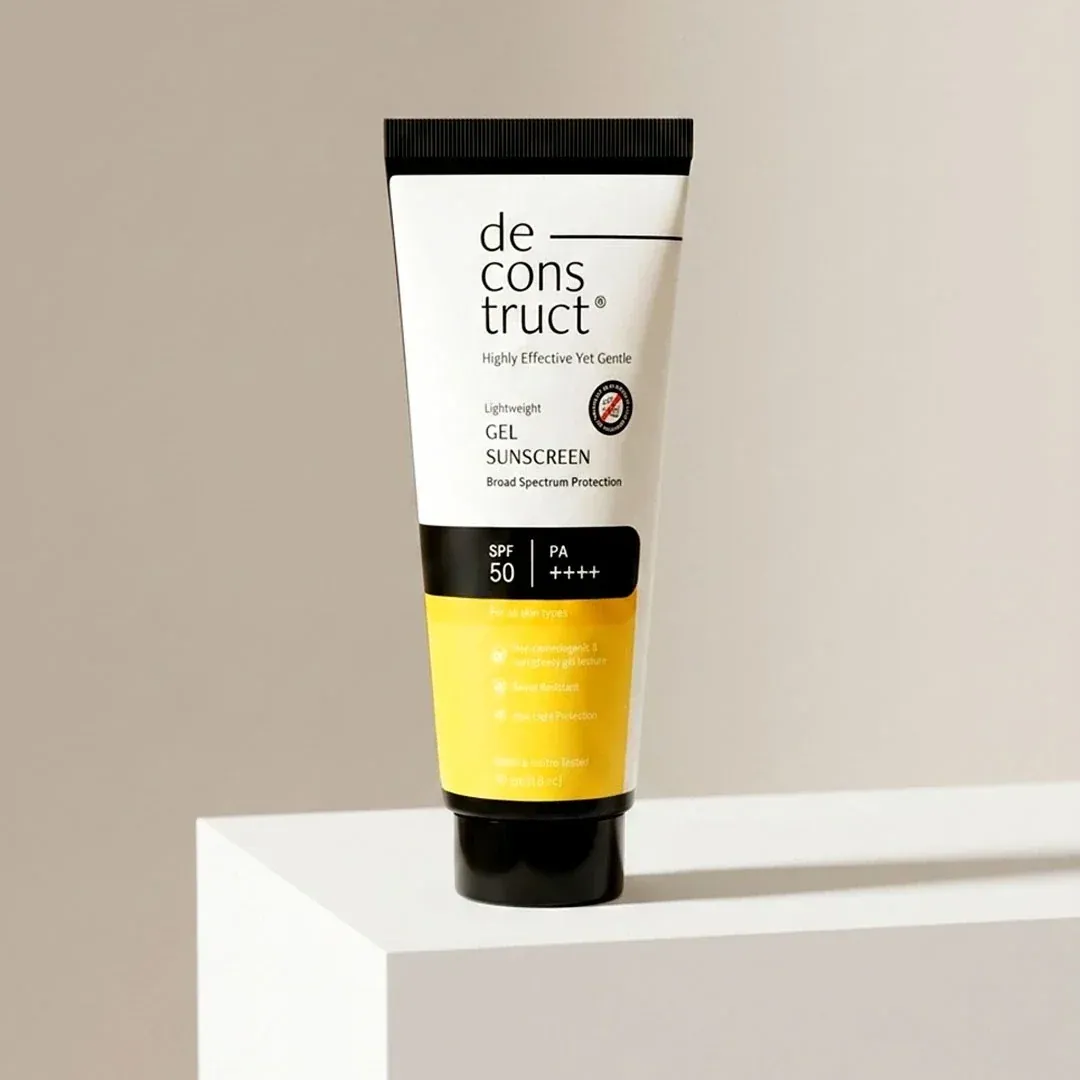
- Sunscreen every morning, last. Without it, dark marks keep coming back faster than any serum can fade them.
Let the serum sink in for a minute before the next layer. If it rolls into little balls (pilling) under moisturiser or sunscreen, you are probably using too much — two or three drops cover the face. Patch test for two or three days on the side of the jaw before using it all over, as the brand recommends.
Give it at least a month before judging. The trials above measured results at four to twelve weeks (Hakozaki et al., 2002; Bissett et al., 2005), and the brown marks from old pimples take time to fade.
What to pair it with, and what to keep apart
- Vitamin C (pure ascorbic acid): the brand recommends using niacinamide and vitamin C in separate routines, as combining them may make them less effective (official product page). A simple split: vitamin C in the morning, niacinamide at night.
- Hydrators such as hyaluronic acid and ceramides layer easily with it.
- Exfoliating acids and [retinol](/ingredients/retinol): add one new active at a time, a few weeks apart, so you can tell which product is behind any irritation.
- Sunscreen: always, every morning.
Alternatives in our shop
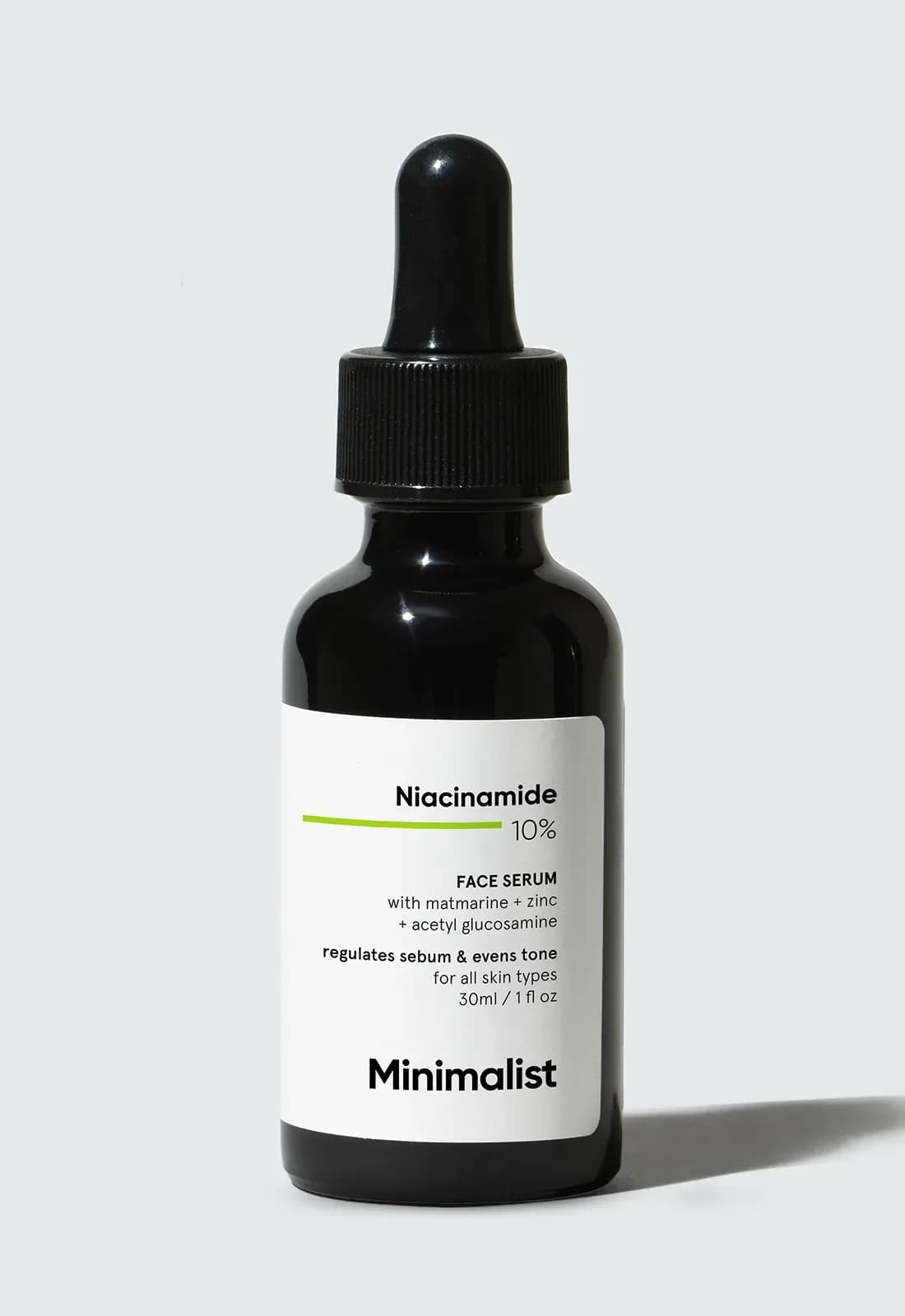
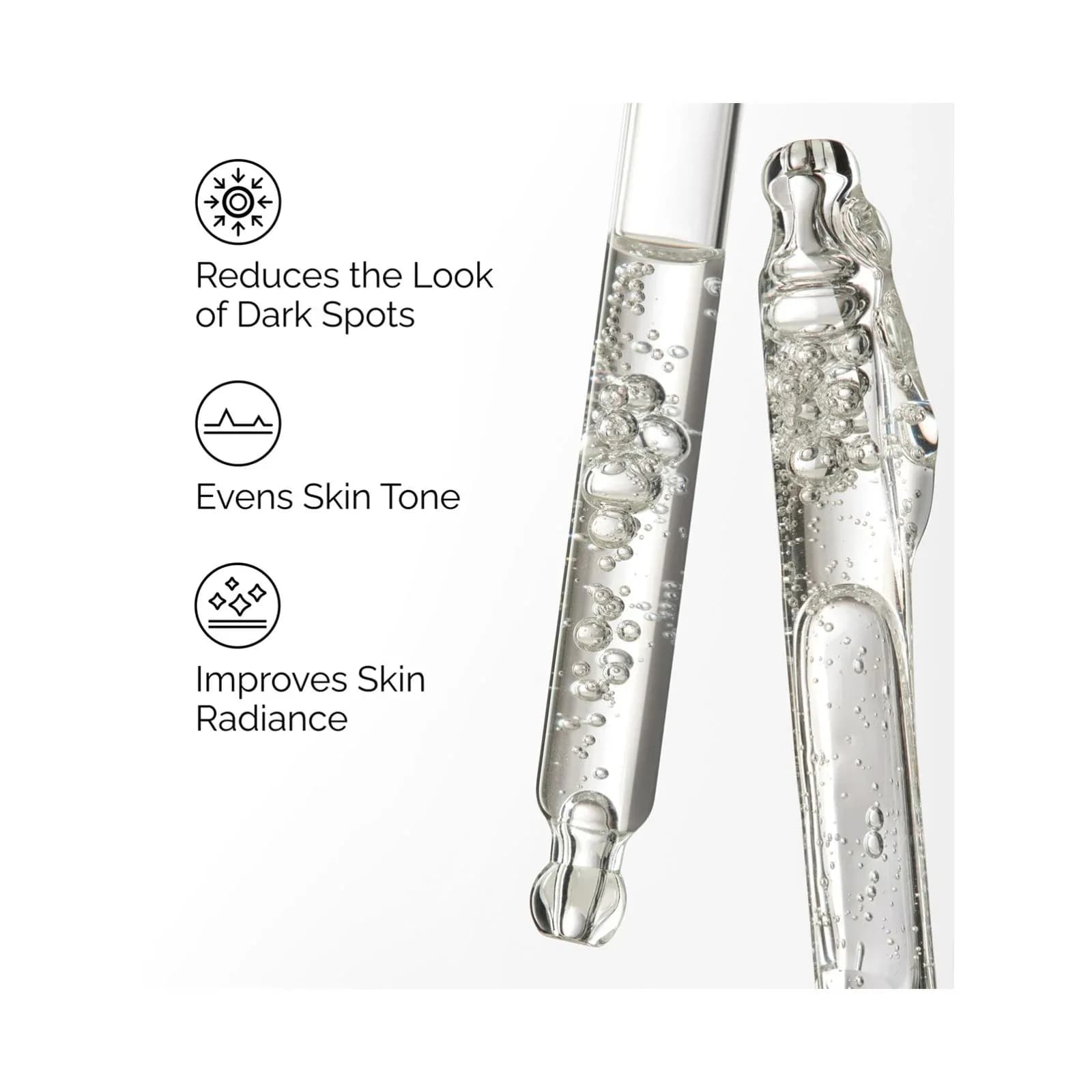
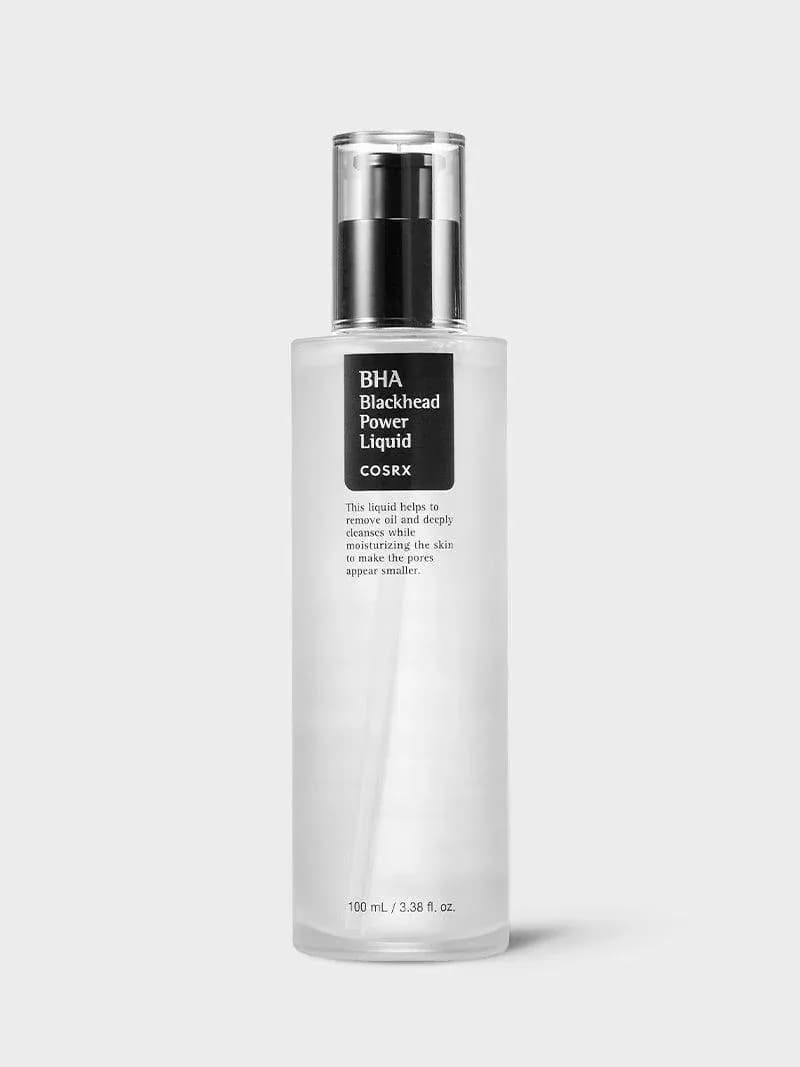
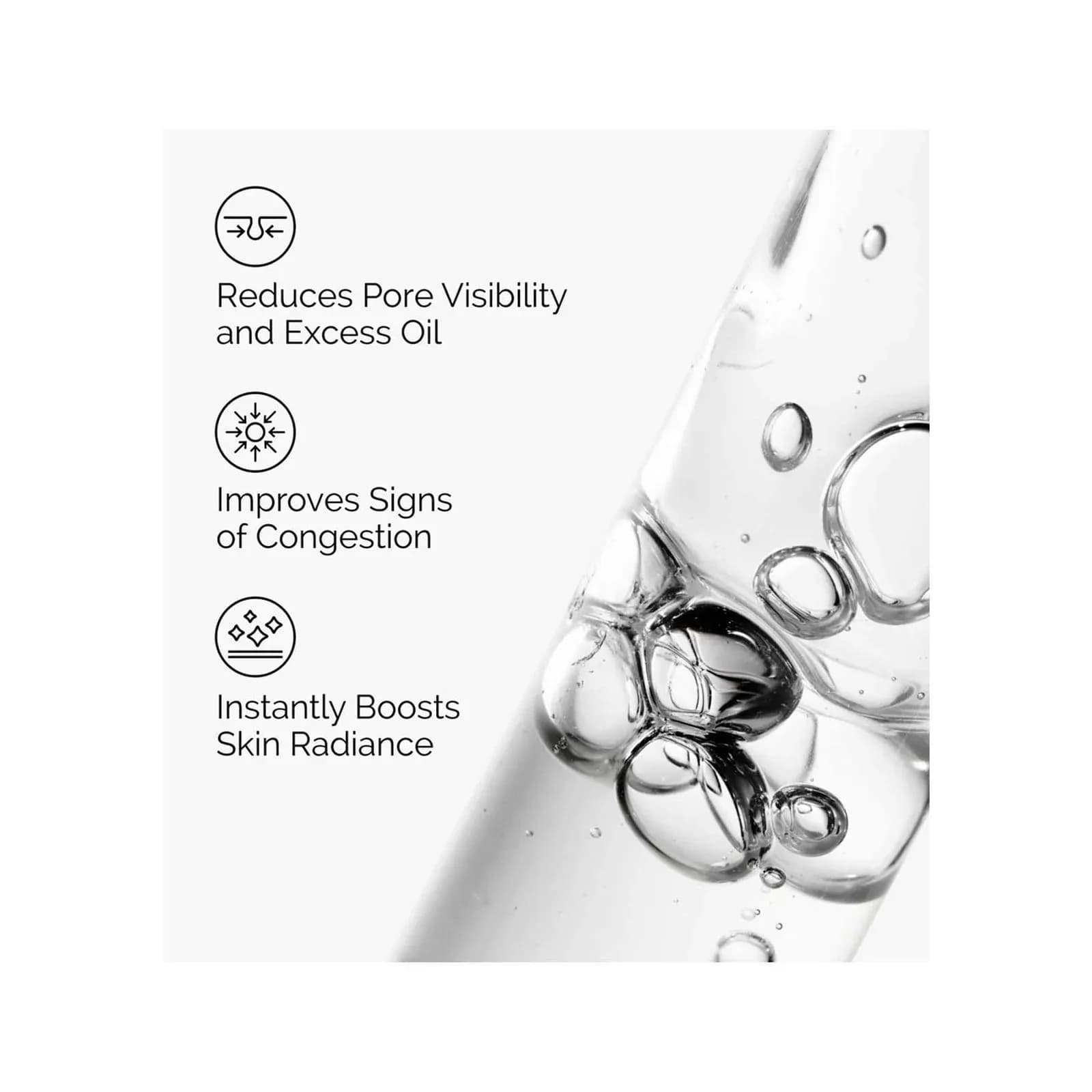
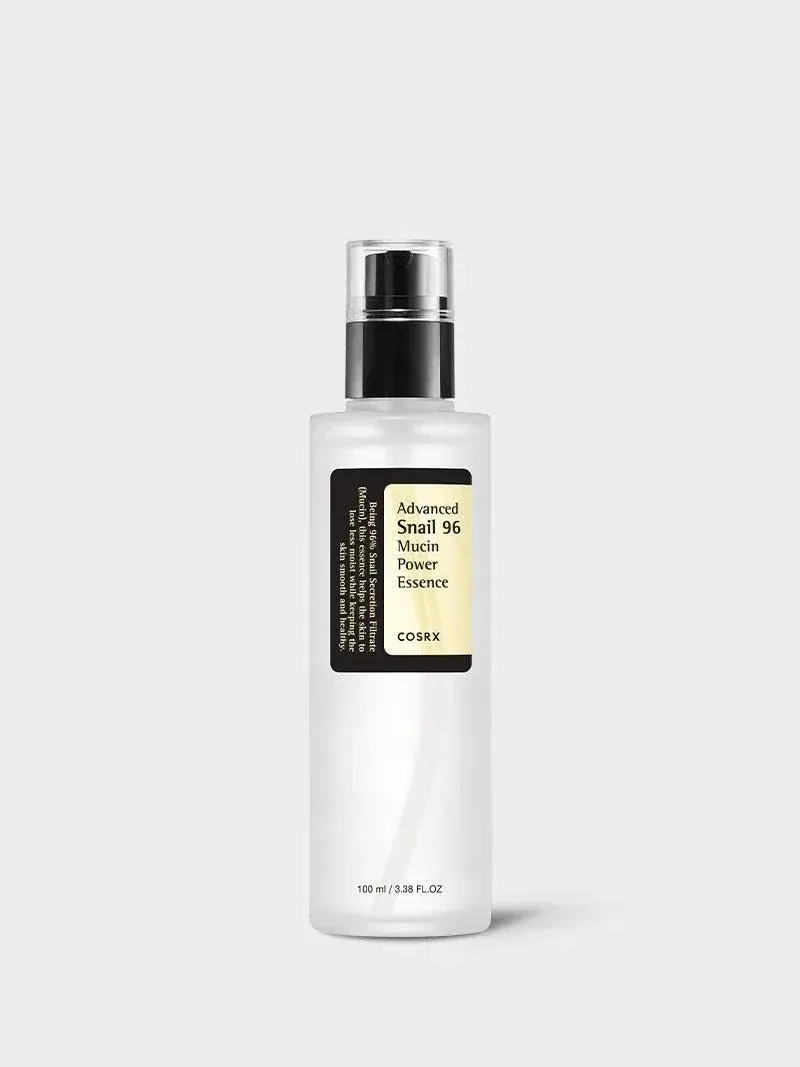
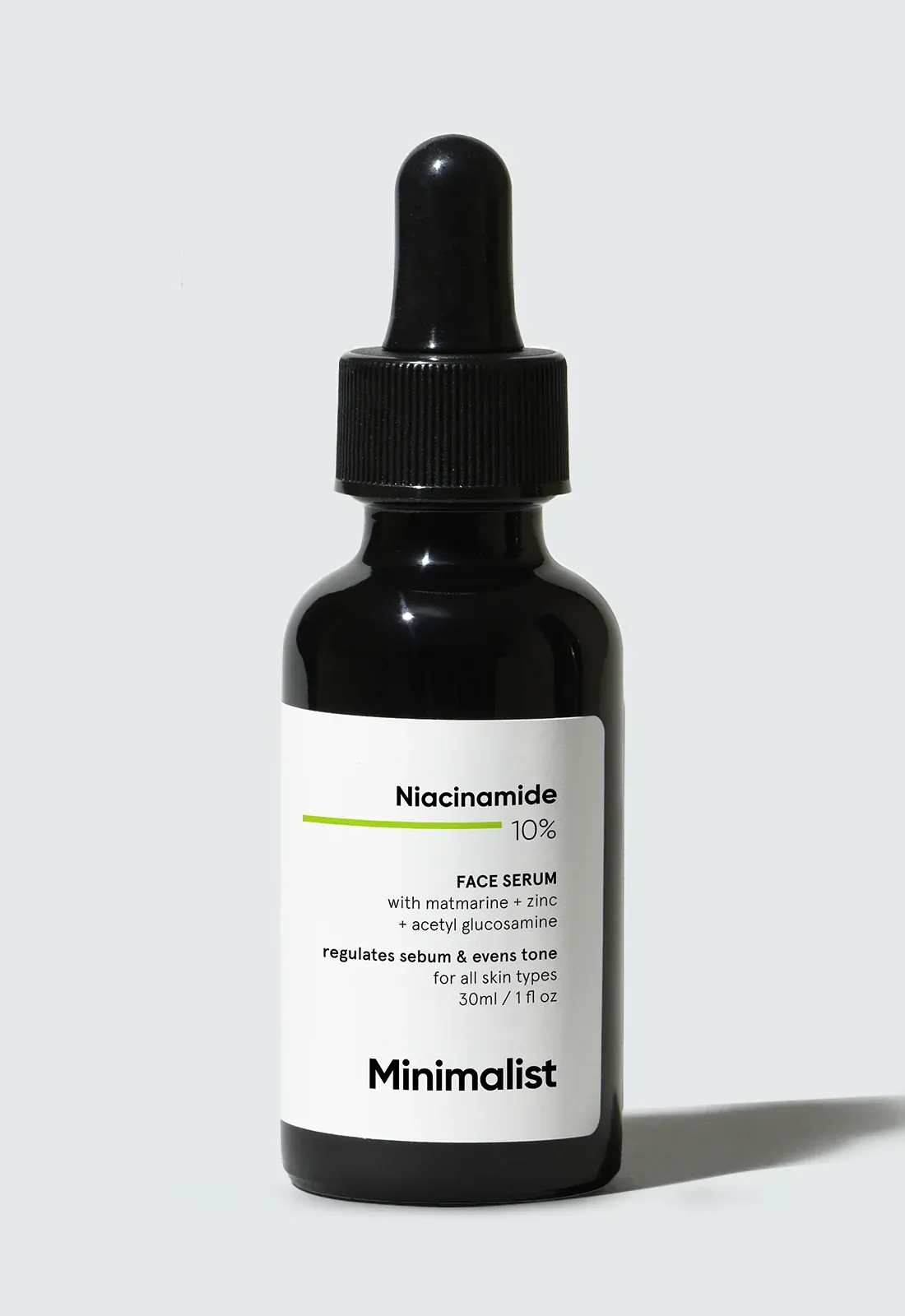
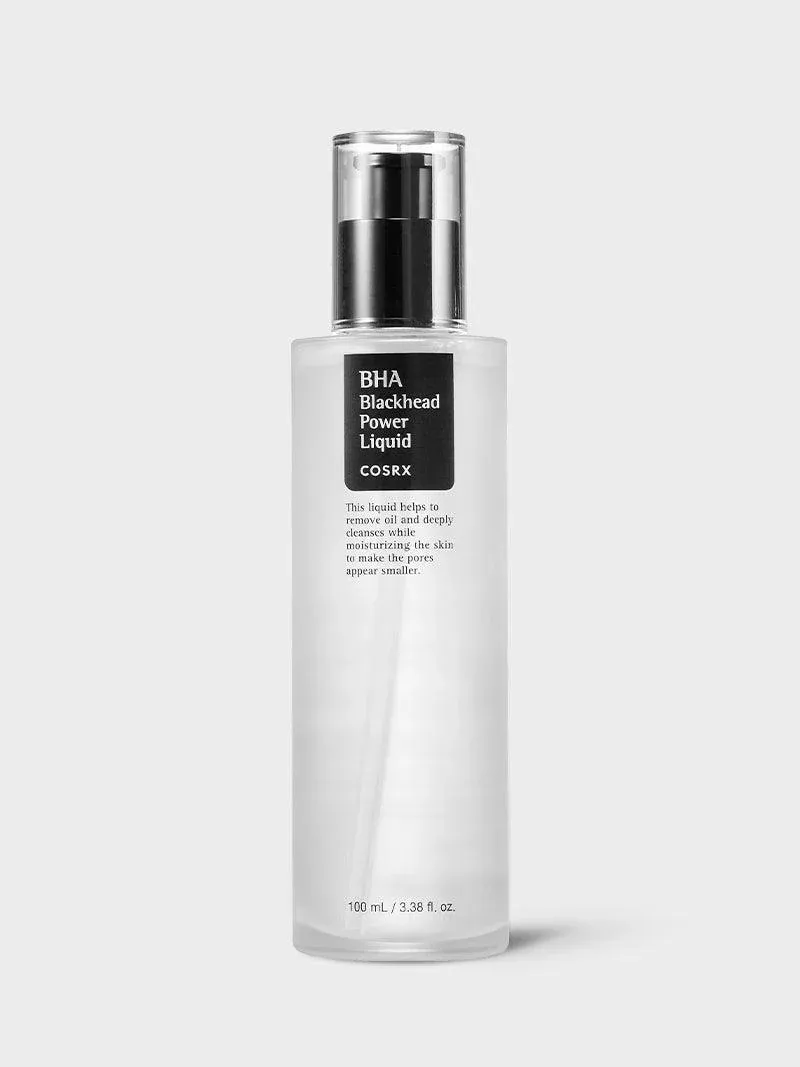
[Minimalist 10% Niacinamide](/products/minimalist-niacinamide-10-serum-30ml) is the closest swap: the same 10% strength from an Indian brand. See the side-by-side comparison. If dark marks are your main concern, [The Ordinary Alpha Arbutin 2% + HA](/products/the-ordinary-alpha-arbutin-2-ha-30ml) targets pigment directly. If it is mainly blackheads and clogged pores, a salicylic-acid exfoliant such as [COSRX BHA Blackhead Power Liquid](/products/cosrx-bha-blackhead-power-liquid-100ml) works on the pore lining, and many people use it on alternate nights.
Compare these
Live prices
Prices come straight from our catalogue — the price at checkout is final.
How this guide was written
Product facts — ingredients, pH, directions and the vitamin C advice — come from The Ordinary's own product page. Every statement about what niacinamide or zinc does links to its source paper, and each paper was checked against its abstract on PubMed. This is a summary of published information, not a personal review, and it is not medical advice: see a dermatologist for painful, persistent or worsening skin problems.
Ingredients in this guide
What the key ingredients in these products actually do.
Sources
- The Ordinary — Niacinamide 10% + Zinc 1% (official product page) ↗
- The effect of 2% niacinamide on facial sebum production — Journal of Cosmetic and Laser Therapy, 2006 ↗
- The effect of niacinamide on reducing cutaneous pigmentation and suppression of melanosome transfer — British Journal of Dermatology, 2002 ↗
- Niacinamide: A B vitamin that improves aging facial skin appearance — Dermatologic Surgery, 2005 ↗
- Nicotinamide increases biosynthesis of ceramides as well as other stratum corneum lipids to improve the epidermal permeability barrier — British Journal of Dermatology, 2000 ↗
- The role of zinc in the treatment of acne: A review of the literature — Dermatologic Therapy, 2018 ↗
Unsure which formula fits your exact skin?
Scan your face in 5 seconds with in-browser computer vision. Evaluates visible skin indicators & hydration to recommend tailored skincare routines.
Questions people ask
Is The Ordinary Niacinamide 10% + Zinc 1% good for oily skin?
Is The Ordinary Niacinamide 10% + Zinc 1% good for oily skin?
Yes, it is made for oily and combination skin. In a placebo-controlled trial, a 2% niacinamide moisturiser lowered sebum production after two and four weeks (Draelos et al., 2006), so expect less midday shine rather than a dramatic change.
Does niacinamide fade acne marks?
Does niacinamide fade acne marks?
It can help brown marks fade over weeks. In clinical testing, 5% niacinamide and 2% niacinamide with sunscreen reduced facial hyperpigmentation after four weeks (Hakozaki et al., 2002). Daily sunscreen is essential for this to work.
Can I use it with vitamin C?
Can I use it with vitamin C?
The Ordinary recommends using niacinamide and vitamin C in separate routines, because combining them may reduce their effectiveness. A simple way is vitamin C in the morning and niacinamide at night.
Should I use it in the morning or at night?
Should I use it in the morning or at night?
Either, or both. The brand says morning and evening. If you are new to it or your skin tingles, start with once a day — in the morning, always follow with sunscreen.
Why does it sting or pill?
Why does it sting or pill?
Some people feel tingling from a 10% formula; use it every other day, or switch to a lower strength. Pilling usually means too much product or not enough drying time — use two or three drops and wait a minute before moisturiser.
How long does it take to see results?
How long does it take to see results?
Give it four to twelve weeks. That is the time frame the niacinamide trials measured (Bissett et al., 2005), and dark marks in particular fade slowly.
Is it safe for sensitive skin?
Is it safe for sensitive skin?
Its ingredient list has no added fragrance, but 10% niacinamide can still irritate reactive skin. Patch test for a few days, start every other day, and stop if you see lasting redness, burning or a rash.
Skinoly editorial team
Our guides are written for Bangladesh's climate and prices, and only name ingredients that are on the product's own label. Prices on this page update automatically.
General skincare information, not medical advice. See a dermatologist for persistent or painful skin problems.